The Role of Human Resources in Food Safety
Food safety depends on workforce consistency — and HR is the connective layer between policy, training, attendance, compliance, and organizational accountability
See how food manufacturers, distributors, and food service organizations reduce absenteeism, strengthen compliance, and improve workforce coordination.
Schedule a 20-minute demo
Quick Summary
- Food safety failures are often workforce management failures first — staffing gaps, inadequate training, and inconsistent enforcement create operational vulnerabilities that inspections and procedures alone cannot fix.
- Absenteeism, high turnover, and employee fatigue are among the most overlooked food safety risks — increasing the likelihood of missed procedures, improper handling, and contamination events.
- HR teams that invest in attendance visibility, structured onboarding, and policy enforcement consistently build more reliable, compliant food safety operations.
Food safety is often associated with sanitation procedures, inspections, supply chain standards, and operational compliance. However, one of the most influential departments in maintaining a safe food environment is Human Resources. HR teams play a direct role in reducing operational risk, supporting compliance standards, improving workforce accountability, and helping organizations build a culture where food safety becomes part of daily operations.
In food manufacturing plants, distribution centers, restaurants, healthcare kitchens, and institutional food service environments, employee behavior has a measurable impact on contamination prevention, compliance adherence, and operational continuity. As labor shortages, absenteeism, turnover, and compliance demands continue to increase across the food industry in 2026, HR departments are becoming increasingly involved in operational safety strategy.
Why Human Resources Matters in Food Safety
Food safety depends heavily on workforce consistency. Even the best sanitation systems and operational protocols can fail when staffing gaps, inadequate training, or inconsistent enforcement create vulnerabilities inside the workplace.
Human Resources departments influence food safety through:
- Hiring and onboarding
- Employee training programs
- Attendance and leave management
- Policy enforcement
- Workforce scheduling
- Compliance documentation
- Employee communication
- Incident response procedures
- Performance management
- Return-to-work protocols
When these systems operate effectively together, organizations reduce contamination risks, strengthen compliance efforts, and improve workforce reliability. Human Resources serves as the connective layer between workforce management, policy enforcement, training consistency, and organizational accountability.
The Relationship Between Workforce Stability and Food Safety
High turnover rates and chronic absenteeism create significant operational pressure in food-related industries. When teams operate understaffed, managers often rush onboarding, shorten training windows, or move employees into unfamiliar responsibilities.
Understaffing Creates Risk For:
- Cross contamination
- Improper food handling
- Missed sanitation procedures
- Inaccurate temperature monitoring
- Incomplete documentation
- PPE noncompliance
- Reduced quality assurance oversight
Stable Workforce Supports:
- Consistent procedure adherence
- Thorough onboarding completion
- Reliable shift coverage
- Accurate documentation habits
- PPE and hygiene compliance
- Lower training overhead
- Stronger audit readiness
Organizations using stronger workforce management systems often experience improved operational consistency because employees understand procedures, expectations, and accountability standards more clearly. Many companies are also investing in workforce management for manufacturing environments to improve shift coverage and reduce operational disruptions caused by unexpected absences.
HR’s Role in Employee Training and Compliance
Food safety training is not a one-time event. It requires continuous reinforcement, documentation, and operational follow-through. Human Resources departments frequently coordinate three interconnected functions.
Initial Food Safety Onboarding
A structured onboarding process helps reduce preventable mistakes during the highest-risk period of employment. New employees must understand:
- Handwashing procedures
- Contamination prevention
- Equipment handling
- Illness reporting requirements
- Cleaning protocols
- PPE expectations
- Workplace hygiene standards
Ongoing Compliance Education
Regulatory standards continue evolving across food production and food service industries. HR teams often help organize recurring education programs that reinforce:
- OSHA requirements
- FDA standards
- USDA guidelines
- HACCP procedures
- Workplace safety expectations
- Illness response procedures
Documentation and Audit Readiness
Food safety audits depend heavily on documentation consistency. HR departments often maintain:
- Training records
- Certification tracking
- Attendance logs
- Disciplinary actions
- Return-to-work documentation
- Workplace incident reports
Accurate documentation helps organizations demonstrate operational consistency during inspections and compliance reviews. See how policy automation supports documentation workflows.
Attendance Management Directly Impacts Food Safety
One of the most overlooked food safety risks is poor attendance management. When employees fail to report absences properly, organizations often experience last-minute staffing shortages that force managers into reactive scheduling decisions. This increases operational stress and raises the likelihood of procedural shortcuts.
Employee fatigue is itself a food safety risk. Exhausted workers are more likely to miss procedural steps, mishandle equipment, or overlook sanitation standards. Organizations that reduce unnecessary overtime and improve scheduling predictability directly reduce this operational vulnerability.
- Improve staffing predictability — Real-time absence visibility helps managers act before shifts become short-staffed.
- Reduce mandatory overtime — Better absence management limits reactive overtime decisions that fatigue frontline staff.
- Strengthen operational consistency — Predictable staffing levels reduce procedural shortcuts driven by operational pressure.
- Improve shift preparation — Early absence notification gives supervisors time to arrange proper coverage before shifts start.
Organizations increasingly use scheduling automation and absence management tools to reduce these operational vulnerabilities while helping maintain delivery schedules and production timelines. Learn how improving employee attendance delivers compounding operational benefits across food environments.
HR and Illness Reporting Procedures
Human Resources also plays a critical role in illness reporting and return-to-work procedures. Employees who fear disciplinary action or lost wages may avoid reporting symptoms, potentially creating contamination risks inside food environments.
Strong HR policies help establish clear, confidential, and consistent reporting procedures that reduce uncertainty for employees while improving operational safety.
- Clear illness reporting expectations
- Confidential reporting procedures
- Consistent response protocols
- Fair attendance policies
- Return-to-work guidelines
- Supervisor escalation procedures
Organizations that combine workforce communication systems with attendance monitoring often identify potential risks earlier before they disrupt operations. See how FMLA and attendance policy frameworks can be structured to support both compliance and operational safety.
Building a Food Safety Culture Through HR Leadership
Food safety culture extends beyond written policies. Employees must believe that leadership prioritizes operational safety consistently. Human Resources helps shape workplace culture through three interconnected responsibilities.
Consistent Policy Enforcement
Inconsistent enforcement creates confusion and operational risk. HR departments help standardize disciplinary procedures and compliance expectations across departments and shifts. Learn how policy automation supports consistent enforcement at scale.
Leadership Accountability
Managers heavily influence employee behavior. HR teams often train supervisors on compliance communication, incident escalation, documentation procedures, and attendance enforcement. Supervisor behavior is a leading indicator of team-level compliance performance.
- Compliance communication
- Incident escalation
- Documentation procedures
- Coaching methods
- Attendance enforcement
- Workplace conduct expectations
Employee Engagement
Employees are more likely to follow food safety procedures when they feel supported, respected, and properly trained. Organizations with strong workplace communication and operational transparency often experience better compliance outcomes. This becomes especially important in industries requiring strict staffing consistency, including patient coverage and compliance environments where food handling and sanitation standards remain critical.
Technology Is Changing HR’s Role in Food Safety
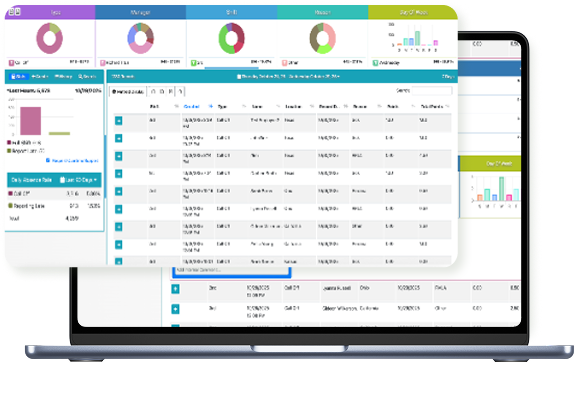
Modern workforce management technology is helping HR departments become more proactive in operational risk reduction. Many organizations now use platforms that deliver real-time visibility into attendance, scheduling, communication, and compliance documentation.
- Real-time attendance tracking — Absence visibility the moment a call-off is submitted — not hours later after a shift starts short.
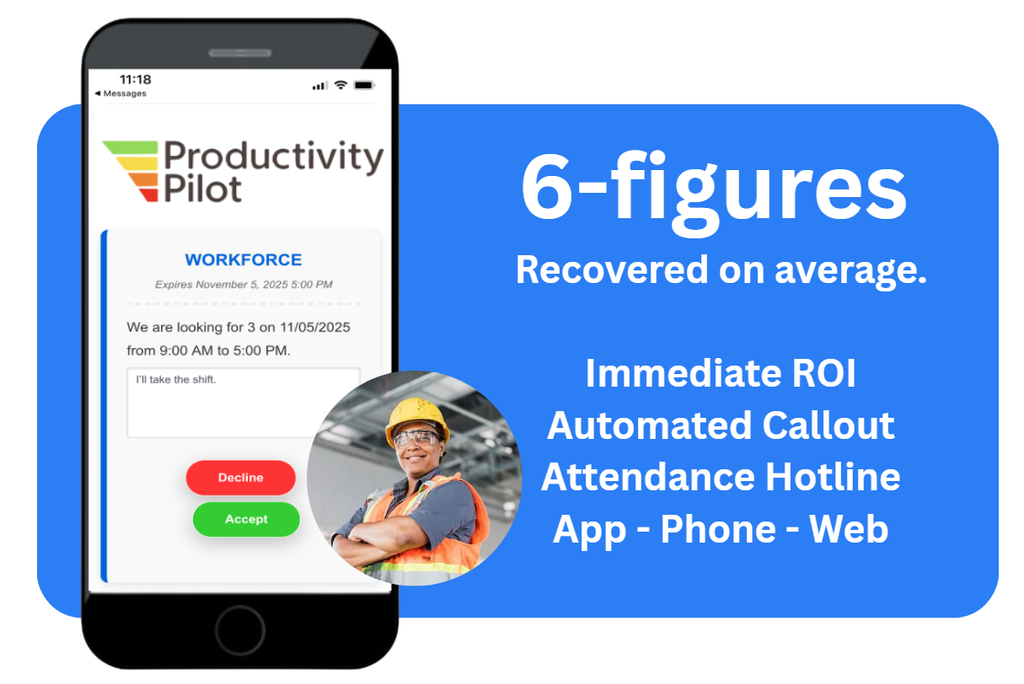
- Automated call-off management — Standardized reporting workflows that capture all absence information and route it to supervisors instantly.
- Shift coverage visibility — Operational dashboards that show staffing levels by department and shift in real time.
- Compliance documentation — Automated record-keeping that supports audit readiness without manual data entry burdens.
- Workforce analytics — Trend data that identifies recurring absenteeism patterns, overtime risks, and staffing vulnerabilities before they escalate.
- Scheduling automation — Reduces administrative bottlenecks and improves scheduling consistency across shifts and departments.
Data visibility also helps organizations identify recurring absenteeism trends, overtime risks, and staffing vulnerabilities before they create larger operational disruptions. See how HR reporting and analytics can translate workforce data into actionable food safety improvements.
Common Food Safety Risks Linked to Workforce Challenges
Several operational issues frequently connect directly back to workforce management gaps. Identifying these connections helps HR teams prioritize the interventions that deliver the greatest safety impact.
High Turnover
Frequent turnover reduces workforce consistency and increases training demands, creating recurring vulnerabilities in the highest-risk period of employment.
Excessive Overtime
Overworked employees are more likely to make procedural mistakes. Fatigue-related errors in food environments carry direct contamination and compliance risks.
Poor Communication
Missed operational updates or unclear expectations create procedural inconsistency across shifts, departments, and locations.
Inadequate Documentation
Incomplete records can create audit and compliance issues while obscuring workforce patterns that predict future risk.
Weak Attendance Policies
Inconsistent enforcement often leads to staffing instability, reactive scheduling, and the operational shortcuts that create food safety exposure.
Insufficient Training
Employees without proper onboarding may unintentionally violate food safety standards — particularly during high-volume periods when supervision is reduced.
Organizations that proactively address these workforce challenges often strengthen both operational efficiency and regulatory compliance simultaneously. See how common HR problems compound across food operations when left unaddressed.
HR Strategies That Support Stronger Food Safety Outcomes
Human Resources teams can improve food safety performance by focusing on several operational priorities. Organizations focused on long-term operational resilience often combine HR modernization efforts with broader workforce optimization initiatives designed to optimize budgets and coverage across large employee populations.
Standardize Onboarding Procedures
Every employee should receive consistent food safety training regardless of department or shift. Inconsistent onboarding is a recurring source of contamination risk.
Improve Attendance Visibility
Real-time attendance monitoring helps reduce reactive staffing decisions that increase fatigue, overtime, and procedural shortcuts.
Reduce Employee Burnout
Balanced scheduling supports better workplace focus and procedural consistency. Fatigued employees are a measurable operational liability.
Strengthen Internal Communication
Employees need clear, timely operational updates about procedures, expectations, and changes. Communication gaps create compliance risk.
Maintain Accurate Compliance Records
Audit readiness requires organized workforce documentation. Manual record-keeping creates gaps that modern systems eliminate.
Invest in Workforce Technology
Modern workforce systems improve operational coordination, attendance visibility, scheduling consistency, and accountability across all shifts.
The Future of HR in Food Safety
As workforce challenges continue evolving, Human Resources will likely become even more integrated into operational safety strategy. Food industry employers increasingly recognize that compliance failures are not only operational problems — they are often workforce management problems first.
Organizations that improve communication, scheduling, attendance management, onboarding, and employee accountability place themselves in a stronger position to maintain operational continuity and reduce food safety risk.
The future of food safety will depend not only on sanitation standards and inspections, but also on workforce consistency, employee engagement, and organizational accountability — all areas where HR teams can deliver direct operational impact.
Improve Workforce Visibility and Operational Consistency
Food safety performance often depends on workforce coordination, communication, and staffing reliability. Organizations looking to reduce absenteeism, improve compliance visibility, and strengthen workforce accountability can see how modern workforce management systems support operational continuity.
Schedule a 20-minute demo · View implementation FAQs · Contact support
Review the implementation and support FAQs for additional information about platform capabilities.