The Cost of Overtime Adds Up Quickly
Many organizations view overtime as a normal operating expense. The financial impact becomes much larger when recurring absences create overtime every day.
Example Scenario:
- 500 employees
- 15 unexpected absences per day (3% absenteeism)
- 8-hour shifts
- Average hourly wage: $25
- Overtime paid at time-and-a-half ($37.50/hour)
The overtime premium alone costs:
- $1,500 every day
- $7,500 every week
- Approximately $390,000 every year
These figures only represent the overtime premium. They do not include:
- Lost productivity
- Supervisor time
- Scheduling adjustments
- Administrative work
- Employee fatigue
- Increased turnover
Without workforce visibility, these costs often continue unnoticed.
Better Visibility Helps Reduce Overtime
Most overtime isn’t caused by one absence.
It’s caused by recurring attendance patterns that organizations don’t recognize until labor costs have already increased.
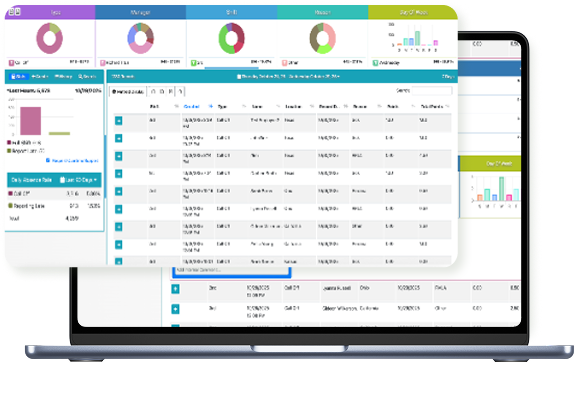
ProductivityPilot gives organizations visibility into:
- Attendance activity
- Leave utilization
- Workforce availability
- Department staffing
- Recurring absences
- Operational trends
Instead of reacting after overtime has already been approved, organizations can make proactive staffing decisions before coverage gaps become expensive.
Potential Annual Savings
Using the previous example:
| Reduction in Overtime | Annual Savings |
| 10% | $39,000 |
| 20% | $78,000 |
| 30% | $117,000 |
| 40% | $156,000 |
Even relatively small improvements in workforce visibility can significantly reduce overtime costs over the course of a year.
Overtime Is Often a Visibility Problem
Many organizations still manage attendance through spreadsheets, emails, paper records, and disconnected systems.
As absences increase, supervisors spend more time:
- Finding replacement employees
- Reviewing attendance records
- Approving overtime
- Updating schedules
- Coordinating shift coverage
- Communicating staffing changes
Instead of planning ahead, organizations spend valuable time reacting to workforce disruptions.
ProductivityPilot centralizes attendance, leave activity, documentation, and workforce reporting into one platform, giving HR teams and supervisors immediate access to the information they need to reduce administrative work and improve staffing efficiency.
Better Attendance Data Creates Better Staffing Decisions
Reducing overtime begins with understanding why overtime occurs.
Organizations need visibility into:
- Attendance trends
- Leave activity
- Workforce availability
- Department staffing
- Overtime patterns
- Recurring absences
- Leave balances
- Operational impacts
When attendance and leave information are centralized, HR teams and operational leaders can make faster, more informed staffing decisions while reducing unnecessary labor costs.
One Platform for Smarter Workforce Planning
ProductivityPilot helps organizations:
- Monitor attendance in real time
- Track employee leave activity
- Identify recurring absence trends
- Improve staffing decisions
- Reduce overtime costs
- Centralize workforce reporting
- Improve operational visibility
- Reduce manual administrative work
- Support HR and Operations from one platform
With one centralized system, organizations gain the visibility needed to improve workforce planning before staffing shortages become expensive.
The Difference Between Paying Overtime and Preventing It
Overtime will always be necessary in some situations, but it shouldn’t become the default response to employee absences. ProductivityPilot centralizes attendance, leave activity, documentation, and workforce reporting into one platform, giving HR teams and operational leaders the visibility needed to reduce overtime, improve staffing decisions, lower labor costs, and manage workforce disruptions with greater confidence.