Employee Satisfaction, Workplace Concerns, and Building a Strong Workplace Culture
Employees Shape Every Organization
Organizations invest significant time and resources into hiring talented employees, but retaining those employees requires more than competitive wages and benefits. Workplace culture, communication, and employee satisfaction all influence whether employees remain engaged, productive, and committed to the organization.
For organizations with large hourly workforces, maintaining a positive employee experience can be especially challenging. Employees work different shifts, supervisors oversee multiple teams, and operational demands often leave little time for proactive communication. When employees feel unheard, unsupported, or disconnected from leadership, small concerns can gradually develop into larger organizational challenges.
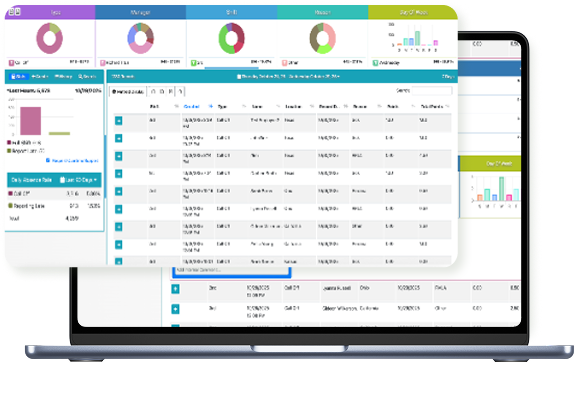
ProductivityPilot helps organizations improve workforce communication, attendance visibility, policy consistency, and operational transparency, creating an environment where employees understand expectations, managers have the information they need, and workplace issues can be addressed more efficiently.
Why Employee Satisfaction Matters
Employee satisfaction extends far beyond morale. It has a direct impact on attendance, productivity, retention, and overall business performance.
Employees who clearly understand workplace expectations and trust organizational processes are generally more likely to report to work consistently, communicate schedule conflicts early, remain engaged throughout their shifts, and contribute to a positive workplace environment.
When communication is inconsistent or policies appear unclear, frustration can grow. Employees may become uncertain about attendance procedures, leave requests, scheduling decisions, or who to contact when issues arise. Over time, these frustrations can reduce engagement and increase turnover.
Common Workplace Concerns
Although every organization faces unique challenges, several concerns consistently affect employee satisfaction.
Poor Communication
Employees become frustrated when they receive conflicting information, struggle to reach supervisors, or are unsure how to report an absence or request time off. Clear and consistent communication helps employees feel informed and supported while reducing unnecessary confusion.
Inconsistent Policy Enforcement
One of the quickest ways to damage workplace culture is inconsistent application of workplace policies. When employees believe rules are enforced differently depending on the department or supervisor, trust begins to decline. Standardized processes help ensure policies are applied fairly across the organization.
Staffing Challenges
Unexpected absences frequently increase workloads for employees who report to work. Last-minute schedule changes, mandatory overtime, unfamiliar job assignments, and staffing shortages can create additional stress while affecting work-life balance. Reducing these disruptions helps improve both employee satisfaction and operational performance.
Administrative Frustration
Routine attendance and HR processes can become frustrating when employees must complete paperwork, make multiple phone calls, or wait extended periods for answers. Simplifying these tasks creates a better employee experience while reducing administrative burdens for HR and supervisors.
The Cost of Employee Dissatisfaction
Low employee satisfaction affects far more than workplace morale, it can create significant financial costs.
Consider a manufacturing facility with 500 hourly employees. If dissatisfaction contributes to 25 additional employee departures each year, and replacing each employee costs approximately $5,000 through recruiting, onboarding, training, overtime coverage, and lost productivity, the organization could spend:
25 employees × $5,000 = $125,000 annually
These costs do not account for reduced productivity, supervisor workload, or the impact on remaining employees who must absorb additional responsibilities.
How Strong Communication Supports Workplace Culture
Positive workplace cultures are built through consistent daily experiences rather than occasional initiatives.
Employees want to know how to report an absence, who to contact with questions, whether policies are applied fairly, what is expected of them, and that leadership communicates consistently. Organizations that prioritize transparency and timely communication often experience stronger engagement and fewer operational disruptions.
How ProductivityPilot Supports Employee Satisfaction
While ProductivityPilot is designed as an Absence Mitigation Platform for Hourly Workforce Productivity, many of its capabilities also improve the employee experience.
A centralized attendance reporting process gives employees a simple and consistent way to report absences while ensuring supervisors receive information quickly.
Real-time notifications allow managers to respond faster to staffing changes and keep the appropriate people informed, reducing uncertainty throughout the organization.
Policy automation helps organizations enforce attendance policies consistently, improving fairness while reducing manual decision-making.
Real-time workforce visibility allows managers to identify staffing concerns before they become larger operational problems, helping reduce unnecessary overtime and last-minute schedule disruptions.
Centralized documentation keeps attendance records, communication history, and policy information organized, reducing administrative confusion for both employees and supervisors.
Building a Workplace Employees Want to Stay In
Strong workplace cultures are created through consistency. When employees experience clear communication, fair policy enforcement, efficient processes, responsive leadership, and well-managed operations, they are more likely to remain engaged and committed to the organization.
Technology alone cannot create a positive workplace culture, but it can eliminate many of the daily frustrations that negatively affect employee satisfaction. By improving workforce visibility, simplifying attendance management, and streamlining communication, organizations can spend more time supporting employees and less time managing administrative work.
Create a Better Employee Experience
Employee satisfaction is shaped by everyday interactions. From reporting an absence to understanding workplace expectations, each experience contributes to how employees view their organization.
Organizations that improve communication, maintain operational consistency, and respond quickly to workforce challenges are better positioned to retain employees, strengthen workplace culture, and improve productivity.
ProductivityPilot helps organizations achieve these goals by streamlining attendance management, improving communication, and providing leaders with the visibility they need to support both their workforce and their operations.