How to Avoid Issues with No-Fault Attendance Policies & Protect Productivity
Explore how no-fault attendance systems that lack structure and integration can expose your enterprise to legal, operational and productivity risks — and what modern absence-reporting systems unwind those risks.
No-fault attendance policies promise simplicity: a point for every absence, regardless of reason. But that “one-size-fits-all” model can backfire — opening enterprises to productivity loss, litigation risk, and administrative chaos. Organizations using no-fault policies without proper safeguards face significant compliance exposure and operational disruption. This guide gives you a modern blueprint for absence mitigation and policy resilience.
What Is a No-Fault Attendance Policy?
A no-fault attendance policy assigns a fixed number of occurrences or “points” for unplanned absences, tardiness, or early departures — often regardless of the reason. The idea: reward presence, penalize absence. Similar to attendance point systems, these policies track employee attendance through a quantifiable metric. But in its raw form, it doesn’t differentiate between protected leave, emergencies, or full-shift illnesses.
True risk: when protected absences like Family and Medical Leave Act or Americans with Disabilities Act counts toward the same point-pool, compliance problems follow. Without proper policy automation, organizations risk costly legal violations.
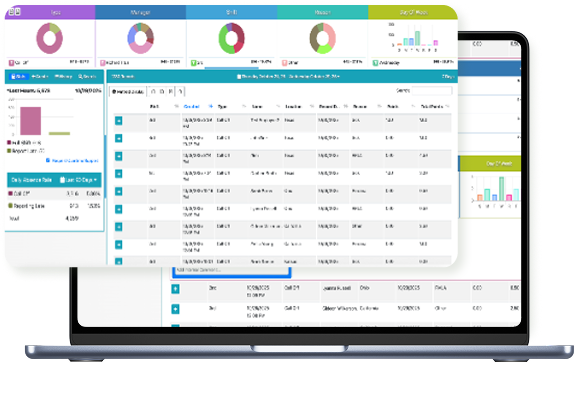
[Image: Productivity Pilot — 6 figures recovered on average with automated callout and attendance hotline]
[Try Productivity Pilot]
Key Risks & Productivity Impact
Improperly designed no-fault policies create cascading problems across your organization:
- Legal exposure: Counting protected absences can lead to ADA/FMLA violations. Organizations face wrongful termination lawsuits when policies penalize legally protected leave.
- Hidden productivity drain: When employees fear losing points, they may work sick or unsafe — raising safety and output issues. This is particularly problematic in manufacturing and healthcare environments where safety is critical.
- Administrative burden: Manually tracking points, exceptions, accommodations, and litigation risk ties up HR time. Without automated attendance tracking, administrative costs escalate rapidly.
- Morale & turnover: Perceived unfairness increases disengagement, driving repeat absences and overtime costs. Similar to no-call no-show situations, poor policy design compounds absenteeism rather than reducing it.
Legal & Compliance Traps
Even well-intended attendance systems stumble when they treat all absences equally. Highlighted vulnerabilities:
- Protected leave mis-counting: Employers that penalize FMLA/ADA absences via points risk termination challenges. Courts consistently rule against employers who fail to exempt protected absences from disciplinary systems.
- Inconsistent application: If staff managers apply point systems unevenly, the risk of disparate treatment claims increases. Manual tracking creates opportunities for favoritism and discrimination.
- Policy ambiguity: Employers must clearly communicate exceptions and process through standardized call-in procedures; vague policy equals exposure.
Compliance reality check: Organizations in logistics, food & beverage, and retail face heightened scrutiny due to high-volume hourly workforces and rapid turnover.
Best Practices to Mitigate Risk
Transform your no-fault policy from liability to asset with these five essential practices:
- Segment absences — Separate protected leave, scheduled time off and unscheduled call-offs into distinct tracking categories.
- Standardize call-off intake — Use an absence-reporting system that timestamps, categorizes and routes absences accurately.
- Automate integrations — Connect your system to HRIS, scheduling and payroll to ensure accuracy and audit trails.
- Train supervisors & embed policy — Make sure managers understand legal triggers (ADA, FMLA) and escalation workflows.
- Review & iterate — Audit your point system quarterly — evaluate if it penalizes protected absences or lacks fairness.
Quick Implementation Checklist:
- ✅ Define categories for leave (annual, sick, personal, FMLA/ADA)
- ✅ Implement a centralized hotline/portal for absences
- ✅ Configure automatic flags for protected leave
- ✅ Map to integrations (HRIS/WFM) to avoid manual errors
- ✅ Run quarterly audits on point-assessments and terminations
Technology & Absence-Reporting Systems
A modern absence-reporting system is the backbone of compliance and productivity. Organizations leveraging automated solutions see 30–50% reduction in unplanned absences while eliminating manual tracking errors.
Productivity Pilot’s platform provides comprehensive absence management capabilities:
- 24/7 intake: Live agents plus IVR capture call-offs in real time through multi-channel communication
- Reason-code capture: Logs absence cause, shift, expected return, and contact info for complete documentation
- Multilingual support: Scale across global workforce — up to 150 languages for clarity and fairness, critical for diverse workforces in education and healthcare
- Integration layer: Error-free handoffs to HRIS, payroll, and scheduling systems prevent the manual data entry mistakes that create compliance risk
- Analytics & alerts: Dashboards highlight spikes in unscheduled absence, point accumulation trends, and site risk zones
Business Impact:
- 30–50% reduction in unplanned absences within 6 months
- 80% reduction in HR administrative time managing attendance
- Zero point calculation errors through automated tracking
- Complete audit trails for wrongful termination defense
Enterprise Checklist
Use this checklist to audit your current no-fault attendance policy and identify gaps:
- ✅ Validate your current attendance policy doesn’t penalize protected absences
- ✅ Ensure your absence-reporting system logs time-stamps and reason codes
- ✅ Implement multilingual and mobile-friendly access for your workforce
- ✅ Connect your system indicators to HRIS/WFM to automate data flow
- ✅ Schedule regular audits and update policy language quarterly
- ✅ Train managers on protected absence categories and escalation procedures
- ✅ Review termination data to identify patterns of protected absence violations
Key Takeaways
- No-fault attendance policies without structure are high-risk for productivity and compliance.
- The right absence-reporting system (with multilingual scale and integrations) transforms policy into insight and control.
- Policy plus process plus technology equals fewer admin hours, lower legal exposure, and reduced downtime.
- Automated systems prevent the protected absence violations that lead to costly litigation.
Next Steps
Get ahead of absenteeism and ensure your attendance policy supports productivity — not liability. Productivity Pilot’s absence management platform eliminates manual tracking errors while ensuring FMLA and ADA compliance.