Tardiness and Absenteeism: How to Manage Attendance Without Losing Productivity
Quick Summary
- Tardiness and absenteeism are operational signals, not isolated HR events. Unmanaged, they create scheduling gaps and increase overtime costs.
- The most effective organizations combine flexible frameworks, real-time visibility, and scheduling automation to stay ahead of disruptions.
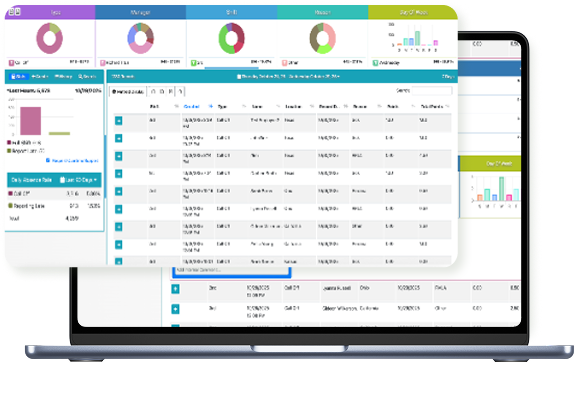
- Platforms like Productivity Pilot provide automated attendance point tracking and real-time absence monitoring across all locations.
Tardiness and absenteeism are rarely isolated issues—they are operational signals. When unmanaged, they create scheduling gaps, increase overtime, and impact productivity. The most effective organizations don’t rely on rigid policies alone. They combine flexible frameworks, real-time workforce visibility, and scheduling automation to reduce disruptions and improve accountability.
Why Tardiness and Absenteeism Are Costly Operational Risks
Tardiness and absenteeism extend far beyond HR concerns—they directly affect output, labor costs, and team morale. A single missed shift can cascade into overtime coverage, delayed production, or missed service commitments.
Across industries like manufacturing and logistics and distribution, even minor attendance inconsistencies can disrupt entire workflows. The same is true in retail and food and beverage operations where shift coverage is non-negotiable.
- Increased overtime costs — Unplanned absences force last-minute backfill at premium pay rates.
- Reduced productivity — Understaffing slows output and puts pressure on remaining team members.
- Compliance risks — Inconsistent enforcement creates legal exposure and fairness claims.
- Lower morale — Uneven workloads frustrate reliable employees and accelerate turnover.
Organizations that actively manage attendance can reduce absentee-related disruptions by up to 50% through structured visibility and automation. For a broader view of strategies, see our guide on how to improve employee attendance.
What Counts as Excessive Tardiness and Absenteeism?
There is no universal threshold for “excessive” attendance issues. The definition is operational, not theoretical. Excess becomes a problem when it impacts team performance, output, or scheduling stability.
Rather than applying rigid rules, high-performing organizations evaluate three variables:
1. Frequency of Occurrence
One or two isolated absences within a month may not raise concern. However, repeated patterns—such as multiple missed shifts over consecutive weeks—indicate a trend that requires intervention. A structured attendance point system gives managers an objective way to track frequency without relying on subjective judgment.
2. Reason for Absence
Understanding the cause is critical. One-off issues like transportation failures differ significantly from ongoing personal or scheduling conflicts. Operational leaders should identify whether the issue is situational or systemic—and whether policy automation can flag the distinction automatically.
3. Pattern Recognition
Recurring patterns—such as consistent tardiness on specific days—signal predictable disruption. These patterns allow organizations to proactively adjust schedules rather than reactively discipline employees. Real-time attendance tracking surfaces these patterns automatically, enabling earlier intervention.
The Risk of Overly Rigid Attendance Policies
Many organizations default to strict attendance rules, such as automatic termination after a set number of infractions. While simple, this approach introduces significant risk.
Rigid policies can:
- Force termination of high-performing employees due to isolated issues
- Create inconsistency in enforcement across teams and locations
- Increase legal exposure when policies are applied unevenly
- Reduce employee engagement and accelerate voluntary turnover
Instead, leading organizations implement structured flexibility—balancing accountability with operational awareness. A well-designed progressive discipline policy provides the escalation structure needed without removing manager discretion entirely.
When documentation is required, a formal write-up for excessive absences ensures consistency and legal protection, while a warning letter for excessive absenteeism communicates expectations clearly before escalating to termination. For a deeper look at how to structure each disciplinary step, see our guide to effective punishment for late employees.
How Scheduling Automation Solves Attendance Challenges
Manual tracking of tardiness and absenteeism creates gaps in visibility and delays decision-making. Modern scheduling automation transforms attendance management into a proactive system rather than a reactive one.
With automation, organizations can:
- Track attendance in real time across all locations and shifts
- Identify patterns before they become operational risks
- Automatically adjust schedules to maintain coverage
- Reduce reliance on last-minute, costly overtime
This is especially critical in industries requiring healthcare staffing compliance or consistent food service coverage, where gaps have direct safety and regulatory consequences.
For a comprehensive evaluation of tools, see our comparison of the top absence management systems for 2026.
Best Practices for Managing Tardiness and Absenteeism
Operational leaders should move beyond reactive discipline and adopt a structured framework for attendance management. The following practices are common across high-performing, shift-based workforces.
Establish Clear but Flexible Policies
Policies should define expectations while allowing room for legitimate exceptions. A clear call-out policy and documented employee call-in procedures reduce ambiguity for both managers and employees.
Leverage Real-Time Data
Visibility into attendance trends enables faster, more informed decisions. Leaders can identify risks before they escalate into overtime events or compliance issues.
Standardize Documentation
Consistent documentation protects the organization and ensures fair treatment across all employees. See our implementation FAQs or contact support for guidance on documentation workflows.
Address Root Causes, Not Just Symptoms
Recurring attendance issues often signal deeper operational inefficiencies—scheduling conflicts, workload imbalances, or inadequate shift communication. Use mass communication tools to close information gaps before they lead to absences.
Automate Communication and Scheduling
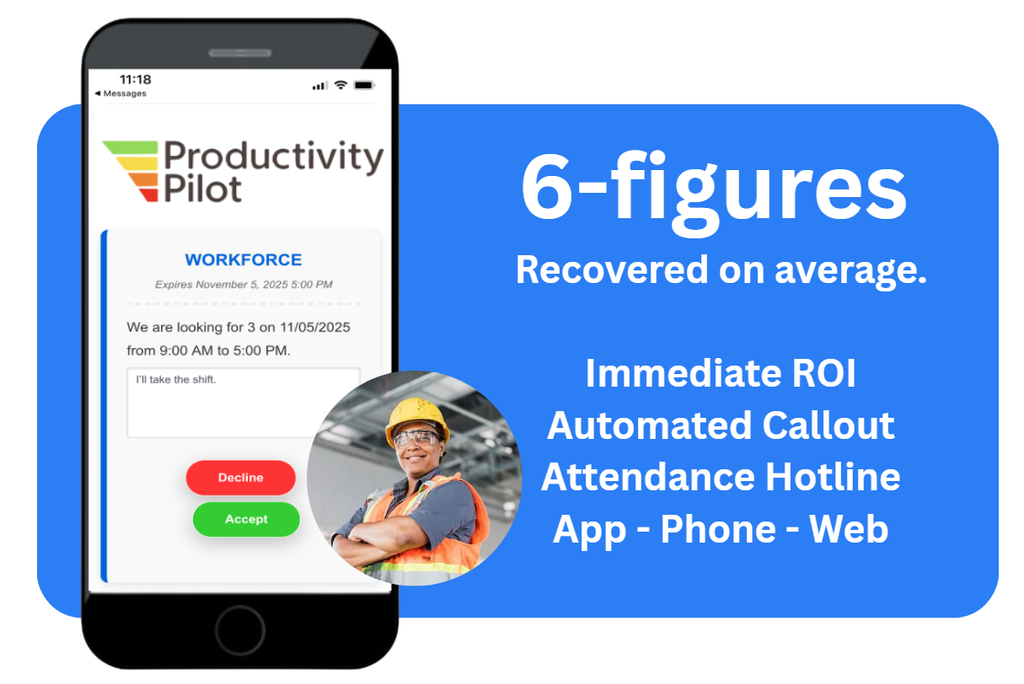
Automated systems eliminate delays in shift coverage and reduce dependency on manual coordination. Shift management automation ensures coverage response is immediate rather than reactive.
Handling Health-Related Absences and Compliance Requirements
Attendance management must align with regulatory frameworks, including FMLA attendance policy compliance and ADA considerations. Health-related absences require a different approach than standard attendance issues.
- Avoid excessive documentation requests for short-term absences
- Escalate recurring medical-related absences through appropriate HR channels
- Ensure compliance with legal standards and reasonable accommodations
Organizations should also align their absence policies with leave management best practices and reference their PTO legal obligations by state to avoid compliance gaps. Employee data handling should comply with your data privacy policy and terms of service.
Managing Attendance During Probationary Periods
Attendance expectations during probationary periods are typically stricter, but they should still follow structured processes to protect the organization legally and operationally.
Best practices include:
- Accelerating progressive discipline timelines when attendance violations occur early in employment
- Ensuring at least one documented intervention before initiating termination proceedings
- Maintaining consistent documentation for legal protection and audit readiness
This approach balances performance expectations with risk mitigation. For step-by-step guidance, review our progressive discipline policy framework to ensure your probationary process is defensible.
How Productivity Pilot Reduces Tardiness and Absenteeism
Productivity Pilot enables organizations to shift from reactive attendance management to proactive workforce control. With integrated scheduling automation and real-time visibility, your team can:
- Identify attendance patterns the moment they form
- Reduce unnecessary overtime through faster coverage response
- Improve schedule adherence across every team and location
- Maintain compliance without adding operational friction
The result is measurable improvement in workforce stability, cost control, and operational predictability. Explore the full attendance tracking feature set or compare it with our policy automation tools.
Final Takeaway
Tardiness and absenteeism are not just employee issues—they are operational inefficiencies that require system-level solutions. Organizations that combine policy clarity, data visibility, and scheduling automation gain a measurable advantage in productivity, cost control, and workforce stability.
The shift from reactive discipline to proactive workforce management is what separates organizations that consistently hit their operational targets from those that spend their time firefighting coverage gaps. For a full playbook, review our guide on improving employee attendance in 2026.
Ready to Eliminate Attendance Gaps Across Your Workforce?
Productivity Pilot helps shift-based organizations move from reactive attendance management to proactive workforce control—reducing tardiness, absenteeism, and the overtime costs that follow.
Schedule a 20-minute demo · See the Productivity Pilot Difference