Overstaffing: When Workforce Visibility Can Reduce Labor Costs
Overstaffing is one of the most overlooked drivers of unnecessary labor costs. While organizations often focus on reducing absenteeism and overtime, consistently scheduling more employees than operational demand requires can quietly increase payroll expenses, reduce productivity, and limit workforce efficiency. Without real-time workforce visibility, these costs often go unnoticed.
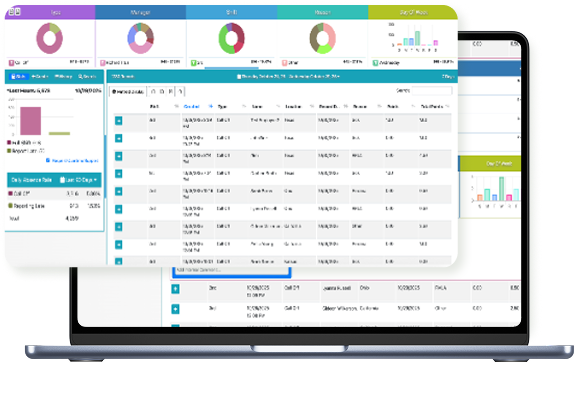
ProductivityPilot centralizes attendance, leave activity, documentation, and workforce reporting into one platform, giving HR teams and operational leaders the visibility needed to optimize staffing, reduce unnecessary labor costs, and make more informed workforce decisions.
When More Employees Doesn’t Mean Better Operations
Overstaffing isn’t always the result of hiring too many employees. It often develops gradually as organizations lack the workforce data needed to adjust staffing levels in response to changing operational demands.
Organizations may intentionally schedule additional employees to compensate for unpredictable absences, inconsistent attendance, or limited workforce visibility. Over time, this approach can increase labor costs while reducing productivity during slower periods.
ProductivityPilot gives organizations real-time visibility into attendance activity and workforce trends, helping leaders make staffing decisions based on accurate workforce data rather than assumptions.
The Cost of Overstaffing Adds Up Quickly
Even small staffing inefficiencies can create substantial labor costs over the course of a year.
Example Scenario
- 500 employees
- 10 employees overstaffed per shift
- Average wage: $25/hour
- 8-hour shifts
- 260 workdays per year
Estimated annual cost:
10 employees × 8 hours × $25 × 260 days = $520,000 annually
These costs do not include:
- Payroll taxes
- Employee benefits
- Workers’ compensation
- Training expenses
- Equipment and uniforms
- Administrative overhead
Small staffing adjustments can generate significant savings without compromising operational performance.
The Hidden Costs Go Beyond Payroll
Payroll is only one part of the financial impact of overstaffing. Additional employees can also increase payroll taxes, employee benefits, workers’ compensation costs, training expenses, equipment costs, and administrative workload. Over time, excess staffing may also reduce labor utilization by spreading work across more employees than necessary, making it more difficult to maximize workforce productivity.
ProductivityPilot gives organizations real-time visibility into attendance, leave activity, and workforce trends, helping leaders align staffing levels with operational demand while reducing unnecessary labor costs.
Workforce Visibility Helps Optimize Staffing
Many organizations continue scheduling additional employees because they lack confidence in attendance patterns and workforce availability.
Without centralized workforce visibility, it becomes difficult to identify:
- Attendance trends
- Leave utilization
- Department staffing levels
- Workforce demand
- Recurring absenteeism
- Labor utilization
Instead of proactively optimizing schedules, organizations often rely on excess staffing as a safety net.
ProductivityPilot brings attendance, leave activity, documentation, and workforce reporting together into one platform, helping organizations align staffing with operational demand while reducing unnecessary labor costs.
Turning Workforce Data Into Smarter Staffing Decisions
Better staffing begins with better information.
When HR teams and supervisors have immediate access to attendance trends, workforce availability, and operational reporting, they can make more confident staffing decisions without relying on unnecessary labor buffers.
ProductivityPilot helps organizations:
- Monitor attendance in real time
- Track leave activity
- Improve staffing accuracy
- Identify workforce trends
- Reduce unnecessary labor costs
- Improve workforce planning
- Increase operational efficiency
Real-time workforce visibility helps organizations balance staffing levels while maintaining productivity and operational performance.
The Difference Between Scheduling More Employees and Scheduling Smarter
Maintaining appropriate staffing levels requires more than experience, it requires accurate workforce visibility. ProductivityPilot centralizes attendance, leave activity, documentation, and workforce reporting into one platform, helping organizations optimize staffing, improve operational efficiency, reduce unnecessary labor costs, and make more informed workforce decisions.