How to Develop a Call Out Policy in 2026
Build a call-out policy that minimizes operational disruption while balancing employee well-being through clear expectations, streamlined workflows, and consistent enforcement.
Want to operationalize your call-out policy at scale? See how PPWFM automates absence reporting, policy enforcement, and real-time scheduling adjustments.
Schedule a 20-minute demo
Executive Summary
- Balance operational continuity with employee well-being through a clear, enforceable call-out framework
- Standardize expectations so employees and managers act with consistency, not guesswork
- Reduce last-minute disruption with streamlined, mobile-first call-out and scheduling workflows
Ten minutes before a scheduled shift starts, the phone rings. An employee has an emergency and cannot make it in. Every other team member is already off the schedule.
This is a familiar scenario for operations leaders. While no organization can afford chronic understaffing, rigid policies that ignore real-world emergencies create risk of a different kind: disengagement, poor morale, and non-compliance.
The objective is not to eliminate call-outs. The objective is to manage them in a way that protects the business while treating employees like adults. A well-designed call-out policy creates that balance by setting expectations, enabling transparency, and giving leaders the tools to respond quickly. Organizations that struggle with handling no-call no-shows often find the root cause is an unclear or poorly communicated call-out policy.
Establish a Clear, Comprehensive Call-Out Policy
An effective call-out policy removes ambiguity. Employees should never be unsure about when it is acceptable to call out, how to do it, or what happens next. Codifying expectations creates accountability and reduces subjective decision-making.
At a minimum, your policy should address the following areas:
Definitions
Clearly define what constitutes a call-out versus tardiness. Distinguish between excused and unexcused absences, and outline the criteria used to evaluate each. Medical issues and family emergencies may qualify as excused, while last-minute call-outs without notice or justification may not.
For organizations using attendance point tracking systems, these definitions become critical for consistent point assignment.
Timing Requirements
Specify notice windows. For example, employees may be required to call out a set number of hours before a shift to receive an excused absence, with flexibility for legitimate emergencies that occur closer to start time.
Organizations often find that earlier notice dramatically improves their ability to arrange coverage. A well-structured call-in procedure makes this timing requirement enforceable.
Call-Out Procedure
Document exactly how employees must report an absence. Whether through a phone line, mobile app, or centralized system, the process should be standardized. Clarify who is responsible for coverage and whether follow-up documentation is required.
The best approach is implementing a dedicated employee call off hotline that provides 24/7 availability and multilingual support. This ensures every absence is captured consistently, regardless of when it occurs.
Attendance Records
Explain how attendance and schedule changes are tracked and audited. Centralized systems improve visibility and eliminate disputes about who knew what, and when.
Understanding how to calculate absenteeism becomes possible only when you have reliable, consistent attendance records. Manual tracking in spreadsheets creates gaps that undermine both analysis and enforcement.
Consequences
Define thresholds for disciplinary action, including limits on unexcused absences and criteria for job abandonment. Consistency here is critical for both compliance and trust.
A progressive discipline policy provides a structured framework for escalating consequences fairly. This protects both employees and the organization from arbitrary enforcement.
Key principle: Policies should be written in plain language, not legal jargon. If the process is complicated, it will not be followed.
Lead with Empathy, Not Fear
Employees should not feel that calling out once puts their job at risk. At the same time, businesses cannot operate effectively without reasonable notice. The solution is flexibility paired with accountability.
A compassionate policy encourages employees to communicate early and honestly. Build in language that allows managers to excuse absences for legitimate, unforeseen circumstances beyond those explicitly listed. This reduces the likelihood of no-call, no-show incidents, which are far more disruptive than late notice with context.
When employees know the organization prioritizes safety and well-being over rigid enforcement, they are more likely to engage responsibly. Allocating sick days or personal days that employees can use at their discretion reinforces this trust and reduces abuse.
Enforce Discipline Consistently and Objectively
Disciplinary action should reinforce expectations, not feel punitive. Fairness comes from proportional consequences and uniform enforcement.
Patterns matter more than isolated incidents. An employee who repeatedly calls out at the last minute without justification presents a different operational risk than someone with an occasional, documented absence. No-call, no-show situations should be treated as more serious than absences where coverage is arranged.
Many organizations remove bias by implementing attendance point systems. Points are assigned based on absence type, severity, and notice provided, and they can decay over time. This approach ensures decisions are data-driven, defensible, and consistent across the workforce.
When it comes time to address ongoing issues, having a clear process for talking to employees about excessive absenteeism ensures conversations are productive rather than confrontational.
Train Managers and Communicate Relentlessly
Policies only work when they are understood. Make call-out guidelines easy to access and impossible to ignore. Include them in onboarding, employee handbooks, and internal communications. Reinforce expectations during high-risk periods such as holidays or flu season.
Managers must be fluent in the policy. Invest in training so leaders understand how to classify absences, document issues, and apply discipline appropriately. When formal documentation is needed, use a structured warning letter for excessive absenteeism to ensure consistency. When managers interpret rules differently, trust erodes quickly.
Policy automation tools can help ensure consistent application by removing manual interpretation from routine decisions.
Reduce Impact with the Right Technology
Even the best policy cannot prevent every call-out. What matters is how quickly the organization can respond. Modern workforce tools allow managers to rebalance schedules, reassign shifts, and communicate with employees in real time.
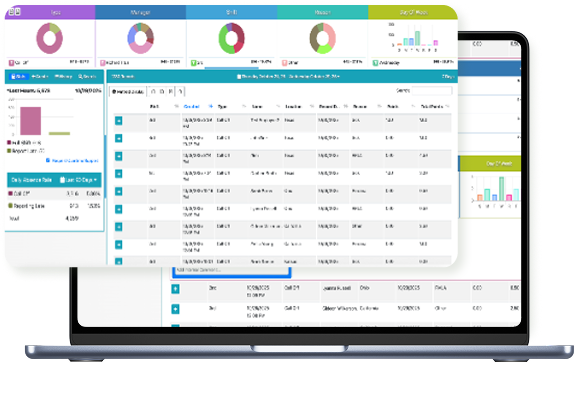
Productivity Pilot supports call-out management with centralized reporting, automated workflows, and mobile-first scheduling. Managers gain visibility into attendance trends, while employees have a clear, structured way to report absences and request coverage. The result is faster resolution, fewer surprises, and reduced operational strain.
Workforce and shift management capabilities ensure that when absences do occur, the organization can respond in minutes rather than hours.
A strong call-out policy is not about control. It is about predictability, fairness, and resilience. When expectations are clear and supported by the right systems, businesses can absorb the unexpected without compromising performance or culture.
Connect with a Workforce Specialist