Employee Turnover: The Hidden Cost of Workforce Disruptions
Employee turnover is one of the largest hidden workforce costs organizations face. While it’s often viewed as an HR issue, turnover affects staffing, productivity, overtime, labor costs, and day-to-day operations across the organization. Frequent absences, excessive overtime, inconsistent scheduling, and increased workload can place additional pressure on employees, making retention more difficult over time.
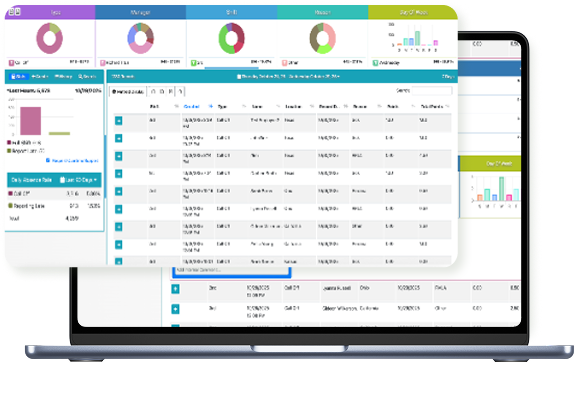
ProductivityPilot centralizes attendance, leave activity, documentation, and workforce reporting into one platform, giving HR teams and operational leaders the visibility needed to improve staffing decisions, reduce administrative work, and build a more stable workforce.
Workforce Disruptions Can Lead to Employee Turnover
Employee turnover is rarely caused by a single event. More often, ongoing workforce disruptions gradually increase employee stress, reduce morale, and make retention more difficult over time.
When recurring absences create staffing shortages, supervisors often rely on overtime, last-minute schedule changes, and temporary workforce adjustments to maintain operations. As these disruptions continue, employees may experience heavier workloads, fatigue, and burnout, making turnover more likely.
ProductivityPilot gives organizations real-time visibility into attendance, leave activity, and workforce trends, helping leaders identify staffing challenges before they contribute to higher turnover.
The True Cost of Replacing an Employee
Replacing an employee involves far more than posting a job opening. Every departure creates additional costs throughout the hiring, onboarding, and training process while existing employees absorb additional responsibilities until a replacement is fully productive.
Common turnover costs include:
- Recruiting and hiring
- Onboarding and training
- Lost productivity
- Increased overtime
- Temporary staffing
- Supervisor time
- Reduced team efficiency
Depending on the role, many organizations estimate replacement costs between 30% and 200% of an employee’s annual salary, making turnover one of the largest hidden workforce expenses.
Small Improvements Can Create Significant Savings
The financial impact of turnover grows quickly as organizations replace more employees throughout the year.
Example Scenario
- 500 employees
- 20% annual turnover
- 100 employees replaced each year
- Average salary: $50,000
- Estimated replacement cost: 50% of salary
Estimated annual turnover cost:
- 100 employees replaced annually
- Estimated replacement cost: $25,000 each
- Total annual turnover cost: $2.5 million
This estimate doesn’t include indirect costs such as increased overtime, delayed production, lower morale, or lost institutional knowledge.
Reducing turnover by only a few employees each year can save organizations hundreds of thousands of dollars while improving workforce stability, productivity, and employee morale.
Visibility Helps Organizations Retain Employees
Organizations cannot prevent every resignation, but they can recognize workforce challenges before they become long-term retention problems.
Without centralized visibility, it becomes difficult to identify:
- Departments experiencing frequent absences
- Recurring overtime trends
- Staffing shortages
- Leave utilization patterns
- Areas under increased operational pressure
ProductivityPilot brings attendance, leave activity, documentation, and workforce reporting together into one platform, allowing leaders to make proactive staffing decisions instead of reacting after problems escalate.
Turning Workforce Visibility Into Employee Retention
Stable staffing begins with accurate information.
When supervisors and HR teams have immediate access to attendance trends, workforce availability, and leave activity, they can make better staffing decisions before coverage gaps require overtime or create unnecessary strain on employees.
ProductivityPilot helps organizations:
- Monitor attendance in real time
- Track leave activity
- Improve staffing decisions
- Identify workforce trends
- Reduce administrative work
- Improve operational planning
- Support long-term employee retention
Better workforce visibility doesn’t just improve attendance management, it supports a healthier, more sustainable work environment.
The Difference Between Managing Turnover and Preventing It
Employee turnover affects productivity, labor costs, employee morale, and long-term operational performance. ProductivityPilot helps organizations improve workforce visibility, reduce operational disruptions, strengthen employee retention, and lower the hidden costs associated with turnover by centralizing attendance, leave activity, documentation, and workforce reporting into one platform.